
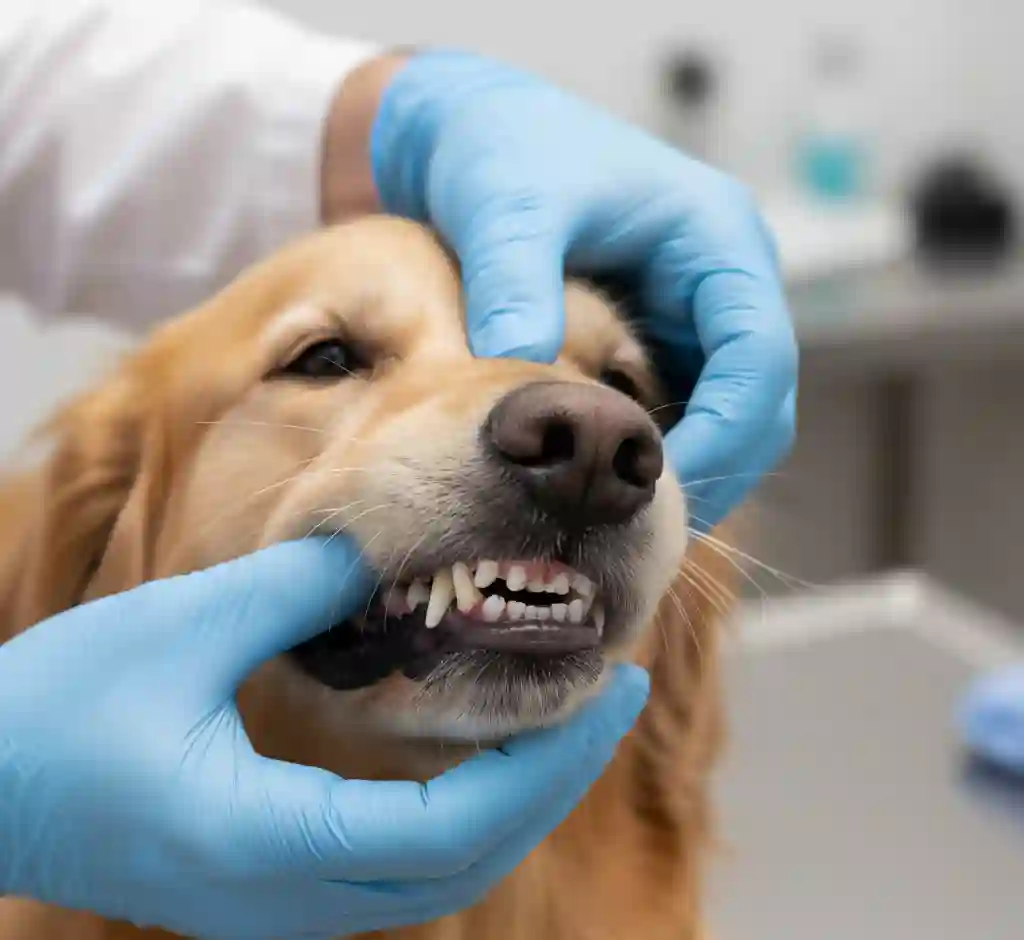
I. Introduction: More Than Just “Doggy Breath”
We often joke about our pet’s bad breath, but in the veterinary world, halitosis is a red flag, not a punchline. By the age of three, over 80% of dogs and 70% of cats have some form of periodontal disease. At Whisker & Well, we want to shift the narrative: Dental care isn’t just about pearly whites; it’s about protecting your pet’s major organs from a silent, bacterial invasion.
II. The Science: The Mouth-Body Connection (Expertise)
Why does a dirty mouth matter? It comes down to a process called bacteremia.
-
Plaque to Tartar: Bacteria form a biofilm (plaque) on the teeth. Within 48 hours, this calcifies into hard tartar, pushing under the gumline.
-
The Breach: This bacteria causes inflammation (gingivitis), creating pockets where gums detach from teeth.
-
Systemic Spread: The gums are highly vascular. Bacteria from the mouth enter the bloodstream and travel to vital organs. Veterinary studies have established strong associations between severe periodontal disease and microscopic damage in the heart valves (endocarditis), kidneys, and liver.
-
In short: Ignoring dental health taxes your pet’s immune system every single day.
-
III. Recognizing the Silent Signs (Experience)
Pets are masters at hiding pain. They will often continue to eat despite severe dental agony. As an owner, look for these subtle signs:
-
Behavioral Changes: Chewing on one side of the mouth or dropping food.
-
Physical Signs: Red, swollen, or bleeding gums (gingivitis).
-
Resistance: Suddenly shying away when you touch their head or snout.
-
Nasal Discharge: In severe cases, tooth root abscesses can rupture into the nasal cavity, causing sneezing or discharge.
IV. The Gold Standard of Prevention
Prevention requires a two-pronged approach: Home Care and Professional Care.
-
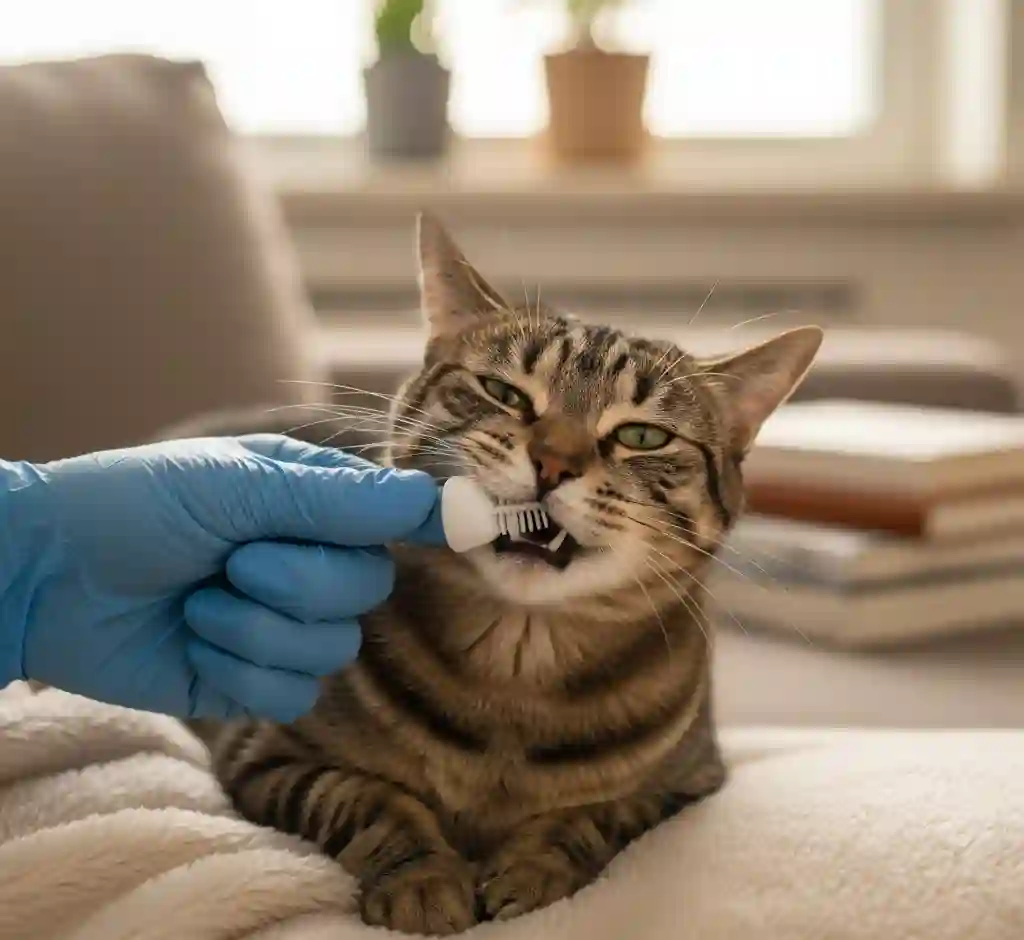
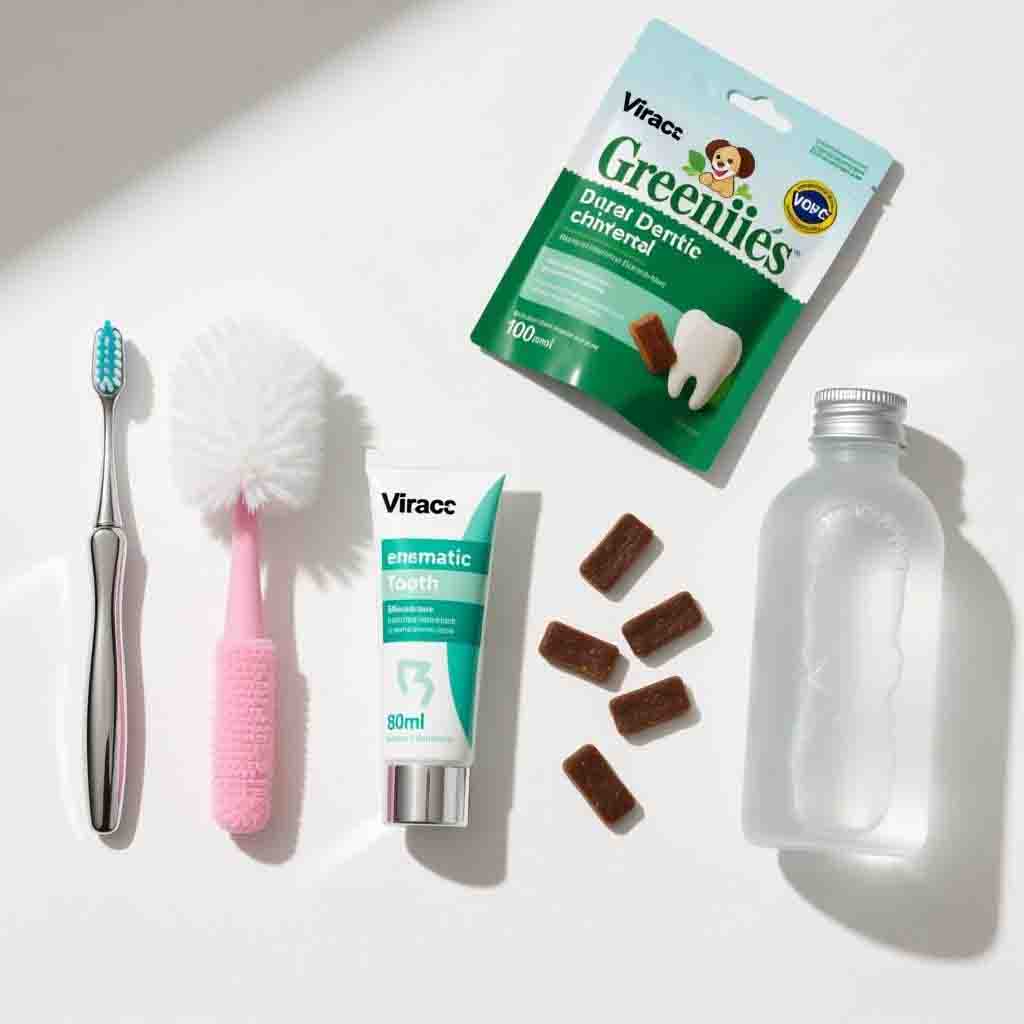
Daily Brushing (The Ideal): Just like us, mechanical brushing is the only way to remove plaque before it hardens. Use a pet-specific enzymatic toothpaste (never human paste) and a soft brush.
-
Diet and Chews: While dry food offers some abrasion, it is rarely enough. Look for products with the VOHC (Veterinary Oral Health Council) seal of acceptance, which proves they effectively retard plaque/tartar.
-
Professional Cleaning (COHAT): Anesthesia-free cleanings are cosmetic. A comprehensive cleaning (under anesthesia) is required to clean under the gumline where the disease lives and to take X-rays.
V. Personal Insight & Scholarly Citation
[Personal Insight – Plain Talk] “I’ll be honest—brushing my cat’s teeth seemed impossible at first. I ignored it for years until he needed three extractions. It was expensive and painful for him. The lesson I learned? Start small. I just let him lick the toothpaste off my finger for a week before I ever introduced the brush. Now, it’s just part of our evening routine. Don’t let ‘perfect’ be the enemy of ‘good.’ Even brushing three times a week is infinitely better than zero. Your future self (and your wallet) will thank you.”
[Academic Reference] Research has demonstrated a significant correlation between the severity of periodontal disease and histological changes in the kidneys, liver, and myocardium (heart muscle), highlighting the systemic impact of oral health.
DeBowes, L. J., Mosier, D., Logan, E., Harvey, C. E., Lowry, S., & Richardson, D. C. (1996). Association of periodontal disease and histologic lesions in multiple organs from dogs. Journal of the Veterinary Dentistry, 13(2), 57-60.Link to Google Scholar Record



Great article!