The Pet Lab

End the confusion of pet ownership. Get expert advice based on animal behavior and nutrition science, covering training, daily care, and scientific feeding for cats and dogs.

Dog Training Myths Debunked: How to Improve Your Pet’s Be…

Look, I get it. You’ve probably heard all sorts of advice about dog training from well-meaning friends or even on social media. But let me tell you something—some of that advice is just plain wrong. Today, we’re going to debunk some common myths and share what really works in making your furry friend a better […]

Dog Training Myths Debunked: How to Improve Your Pet’s Be… Read More »
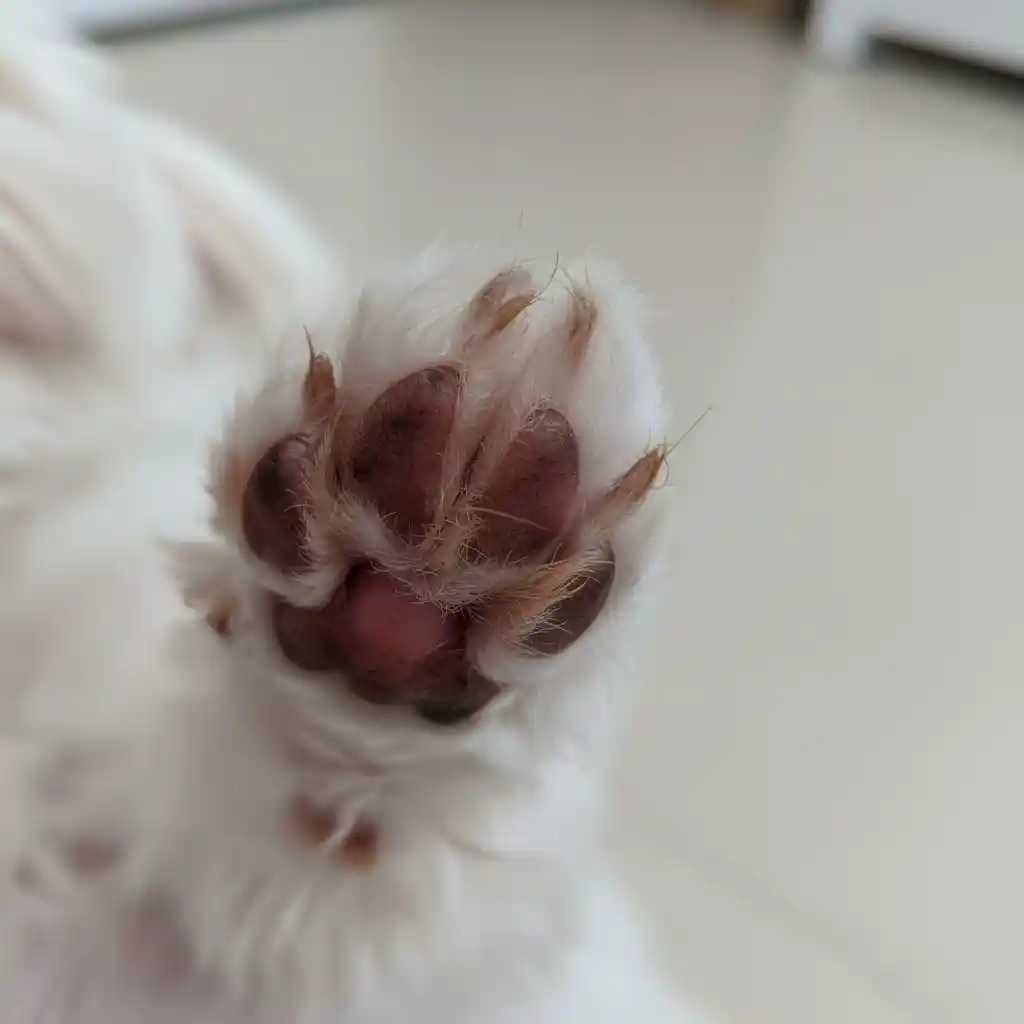
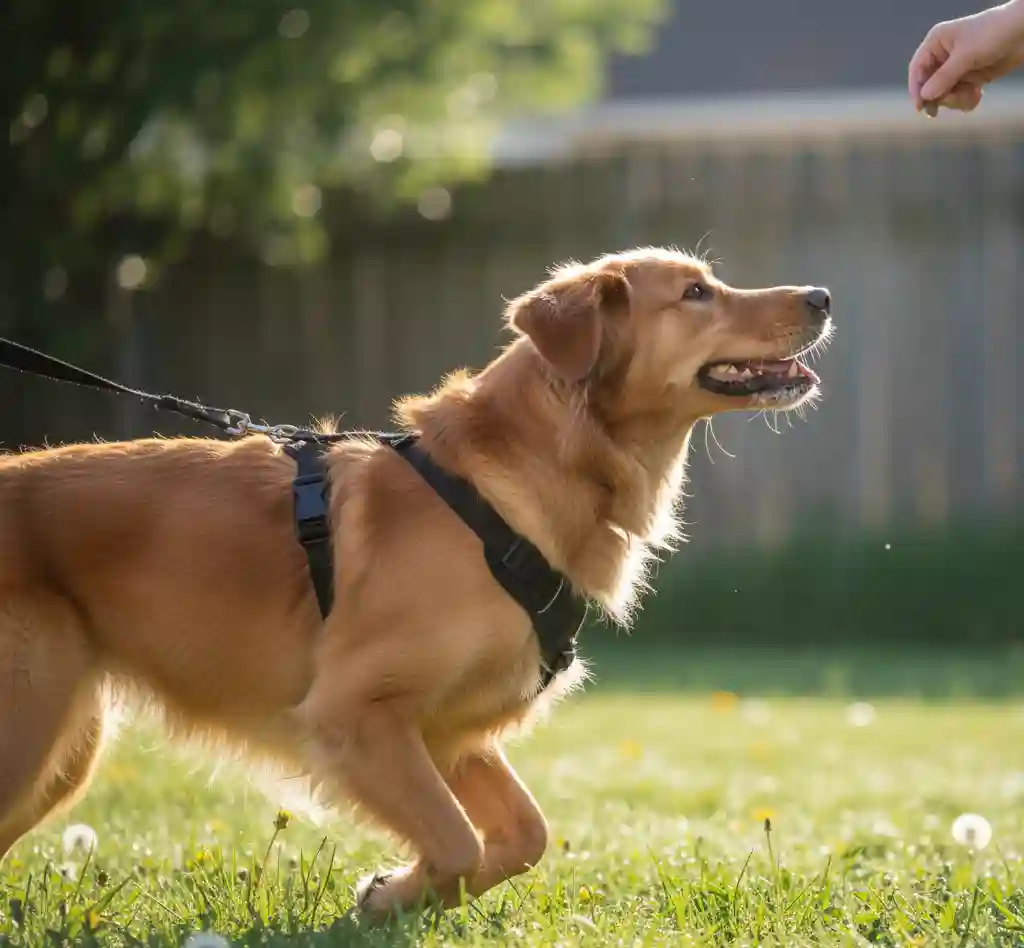
A trained dog looking at its owner for a reward instead of sniffing the ground during a potty break.

How to Stop Dog Coprophagia (Eating Poop): A Science-Based Mastery Guide

The “Science” Hook: It’s Not Gross, It’s Evolutionary Before you panic or feel disgusted by your furry friend, let’s look at the biology. In the wild, mother wolves consume their puppies’ waste to keep the den clean and hide their scent from predators. This is an instinctual survival mechanism called atavistic behavior. Furthermore, a study by

How to Stop Dog Coprophagia (Eating Poop): A Science-Based Mastery Guide Read More »

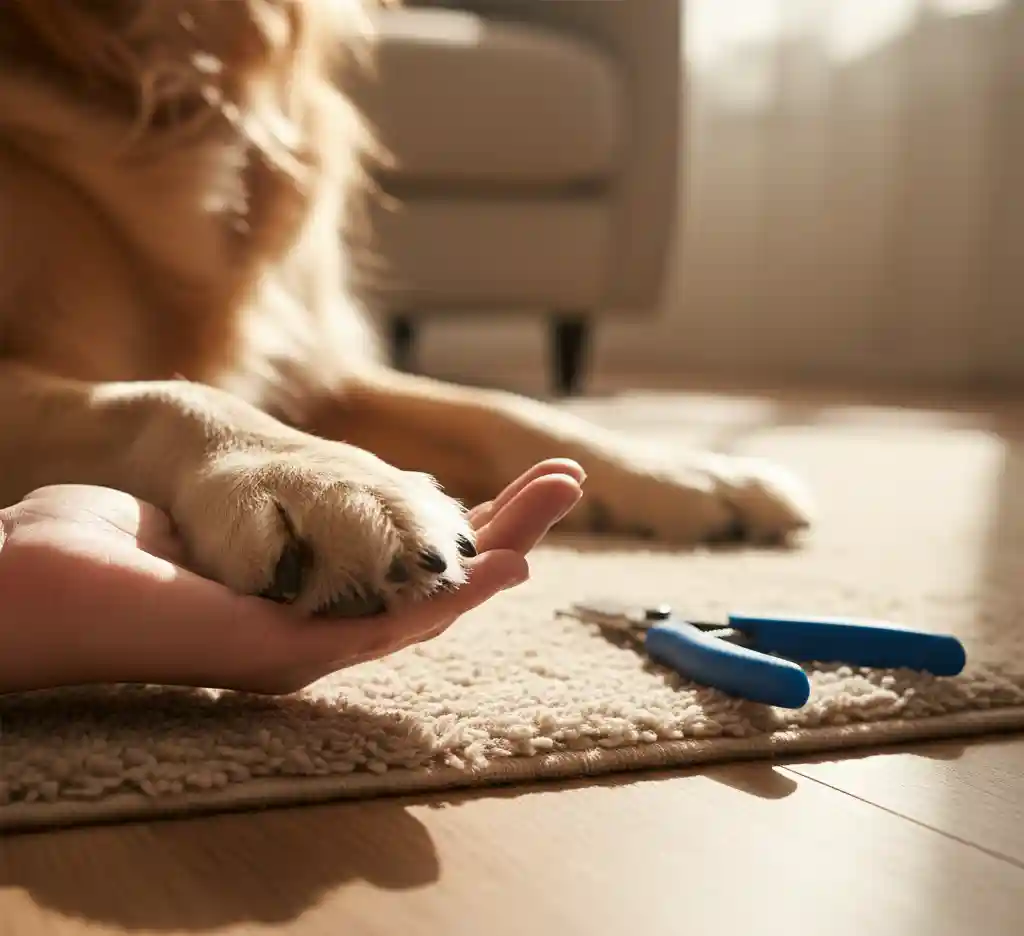
A gentle grooming setup showing a dog's black nails and clippers, emphasizing a calm environment.

How to Cut Black Dog Nails Without Bleeding: The “Black Dot” Mastery Guide

The “Science” Hook: Anatomy of the Invisible Quick Why is cutting black nails so terrifying? Because you are working blind. To master this, you must understand the biology of the canine claw. Unlike a human fingernail which is flat, a dog’s claw is a cone. Inside this hard keratin shell lies the “Quick” (Ungual Process)—a bundle of

How to Cut Black Dog Nails Without Bleeding: The “Black Dot” Mastery Guide Read More »

A puppy chewing on a rope toy, demonstrating proper redirection training for biting.

How to Stop Puppy Biting Fast: The “Bite Inhibition” Mastery Guide (Step-by-Step)

The “Science” Hook: Why Your Puppy Is a “Land Shark” First, let’s debunk a myth: Your puppy is not “dominant,” “mean,” or “aggressive.” They are simply a baby mammal. Biologically, puppies interact with the world through their mouths (oral fixation). More importantly, they are in a critical developmental window known as Acquired Bite Inhibition (ABI). In

How to Stop Puppy Biting Fast: The “Bite Inhibition” Mastery Guide (Step-by-Step) Read More »

cat-slow-blinking-sequence

The Science of Cat Blinking: Decoding Feline Ocular Communication

Introduction: Beyond the Feline Gaze As a veterinary behaviorist specializing in human-animal communication, I have long been fascinated by the subtle ways cats express their emotional states. Among the most intriguing—and scientifically validated—forms of feline expression is the “slow blink.” This seemingly simple behavior represents a complex interspecies communication system that, when understood, can profoundly

The Science of Cat Blinking: Decoding Feline Ocular Communication Read More »

A cheerful cartoon showing all cat bath supplies laid out neatly: shampoo, towels, jugs, and a non-slip mat in a sink, with a calm cat observing.

How to Bathe a Cat: A Stress-Free Guide for Pet Owners in the US, UK, Canada & Australia

The Golden Rule: Bathing is a Last Resort First, let’s be clear: most cats are superb self-cleaners and rarely need baths. However, situations like encountering sticky substances, medical conditions, or extreme dirt make bathing necessary. The goal isn’t to win a fight; it’s to complete a necessary task with as much calm and efficiency as

How to Bathe a Cat: A Stress-Free Guide for Pet Owners in the US, UK, Canada & Australia Read More »

A cartoon panel showing three cat face expressions: relaxed whiskers forward, alert whiskers straight out, and anxious whiskers pinned back, explaining feline body language.

Beyond Whiskers: The Secret Superpowers of Your Cat’s Most Amazing Sensors

More Than Just Hairs: Your Cat’s Built-In GPS System Think of your cat’s whiskers not as stiff hairs, but as high-tech, ultra-sensitive navigation equipment. While we humans rely heavily on sight to navigate a dark room, your cat uses its whiskers. Formally known as vibrissae, these thick, flexible hairs are rooted in follicles packed with nerves

Beyond Whiskers: The Secret Superpowers of Your Cat’s Most Amazing Sensors Read More »