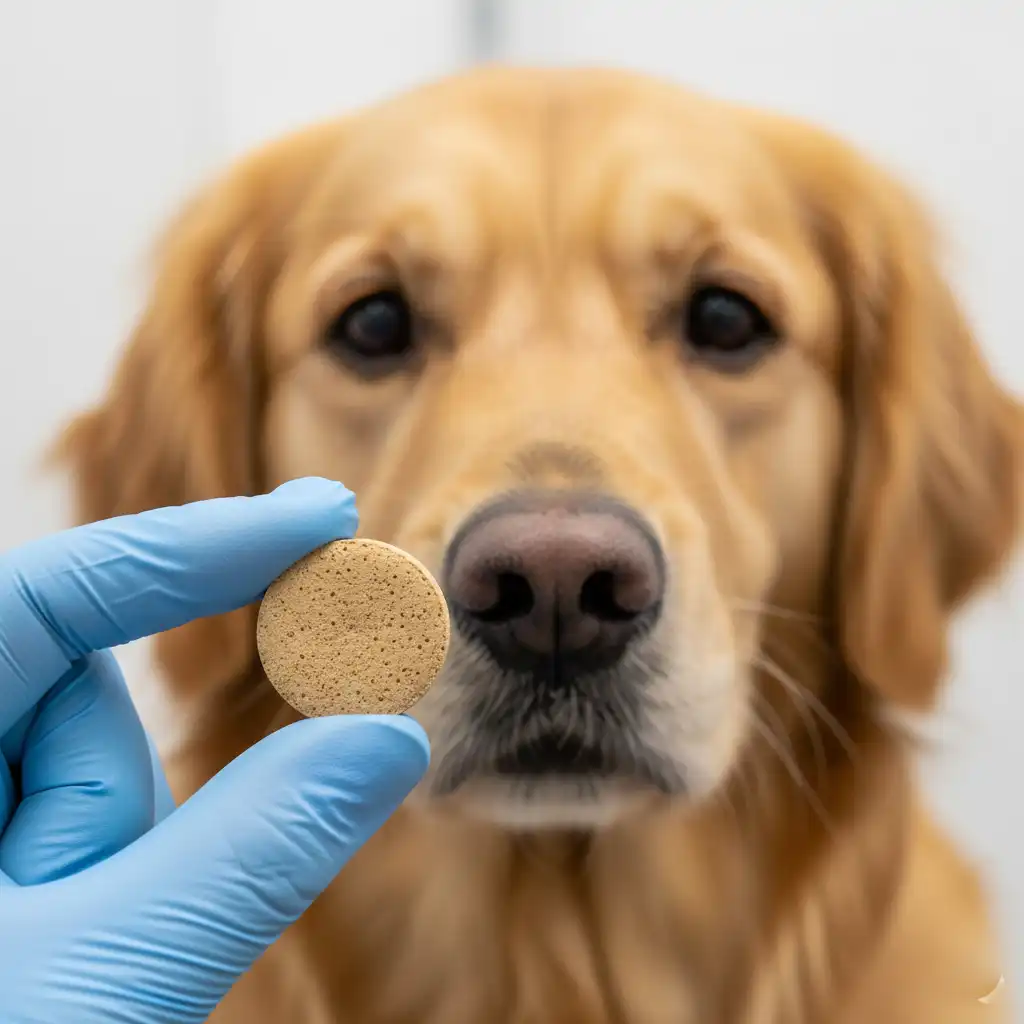
I Stopped Giving My Dog Monthly Flea Meds. Am I a Bad Owner?
The calendar reminder pops up on my phone. “Give Spot his flea pill.”
For years, I did it without thinking. I’d wrap the chewable tablet in cheese, my dog would gulp it down, and I’d feel like a responsible pet parent.
Then, I started reading the inserts. The ones in tiny print. Words like “neurological adverse reactions,” “seizures,” and “ataxia” stared back at me.
I fell down a rabbit hole. I read the top 5 articles on flea prevention. They fall into two camps:
-
The Vet Camp: “Use these vet-approved chemicals, or your dog will get Lyme disease and die.”
-
The Holistic Camp: “Use apple cider vinegar and essential oils, because chemicals are poison.”
I think both are dangerously simplistic.
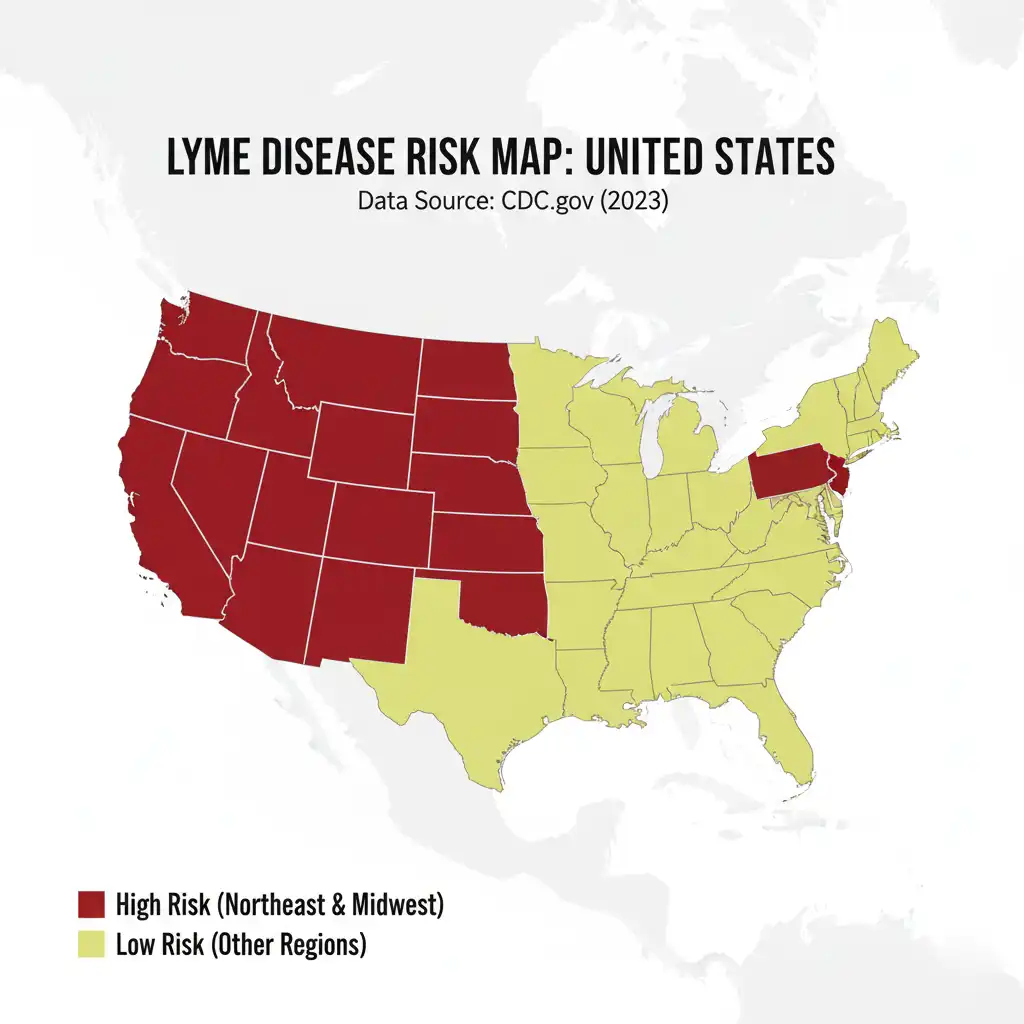
My experience as a researcher tells me this isn’t a “yes or no” question. It’s a risk management question. Giving a low-risk apartment dog in Arizona the same potent pesticide as a high-risk farm dog in Connecticut makes no sense.
The “Adversarial” View: It’s Not Prevention, It’s a Calculated Risk
Let’s challenge the “one-size-fits-all” model.
The Common Wisdom: “A good owner uses year-round prevention.”
My Counter-point: Is that true? Or is that just brilliant marketing by pharmaceutical companies?
If you live in an urban area with paved sidewalks, and your dog only goes out to potty, what is their actual risk of encountering a tick carrying Lyme disease? Almost zero.
Are you then giving your dog a potent neurotoxin every 30 days… for nothing?
Case Study: “Chloe” the City Poodle vs. “Bear” the Farm Dog
Chloe is a Toy Poodle who lives on the 10th floor of a Chicago apartment. Her walks are on concrete. She never goes hiking.
Her vet recommends a year-round oral flea/tick pill.
My Assessment: Chloe’s risk is extremely low. The risk of a potential side effect from the medication might be higher than her risk of getting a tick-borne disease.
Bear is a Golden Retriever who lives on a farm in rural Pennsylvania. He runs through fields, swims in ponds, and chases deer every day.
His vet recommends the same pill.
My Assessment: Bear’s risk is extremely high. For him, the pill is not just prevention; it’s a life-saving necessity.
Do Chloe and Bear need the same level of chemical intervention? Of course not.
[Interactive Table: The Risk Scorecard]
What Is YOUR Dog’s Actual Risk? (Calculate Your Score)
Instead of listening to me or your vet blindly, assess your own situation. Add up the points.
| Risk Factor | Points |
| Geography: Lives in the Northeast or Midwest USA (High Lyme areas) | +3 |
| Lifestyle: Hikes in woods, runs in tall grass, visits dog parks frequently | +3 |
| Social Life: Goes to doggy daycare or boarding | +2 |
| Yard: Unfenced yard backing onto woods | +2 |
| History: Has had fleas or ticks in the past year | +5 |
| TOTAL SCORE | = ? |
How to Interpret Your Score:
-
0-3 Points (Low Risk): Consider using natural repellents (like Cedarwood oil spray before walks) and performing meticulous daily tick checks. You might not need monthly systemic pesticides.
-
4-8 Points (Moderate Risk): This is where topicals like Seresto or Frontline shine. They kill on contact and offer a repellent effect.
-
9+ Points (High Risk): You are a prime candidate for the powerful oral medications (Bravecto, NexGard, Simparica). The risk of disease outweighs the risk of side effects.
The “Cost of Failure” (Insurance Perspective)
Let’s talk money.
-
A year’s supply of Bravecto: ~$250
-
Treatment for Lyme Disease (including diagnostics and antibiotics): ~$1,500 – $3,000
If your dog scores a 10 on the risk scale and you decide to “go natural” to save $250, your pet insurance might question the claim if they get sick. They could argue you ignored “standard veterinary advice.”
Manager’s Insight: Be an Advocate, Not a Follower
Expert Summary
I am not telling you to throw away your dog’s medication.
I am telling you to have an intelligent conversation with your vet.
Instead of just nodding when they hand you the box, ask these questions:
-
“Given that we live in the city and my dog stays on the sidewalk, can we discuss the risk-benefit of this medication for him specifically?”
-
“What are the Lyme disease rates in our specific zip code?” (Your vet has this data).
-
“Are there less potent options we can start with, like a topical instead of an oral systemic?”
You are your dog’s only advocate. Don’t be afraid to question the “default” setting. A good vet will respect your diligence.