I. Introduction: Feeding the Feline & Canine Mind
We understand that anxiety in our dogs and cats—whether due to storms, separation, or travel—is more than just a behavioral issue; it has profound physiological roots. Just as in humans, the gut-brain axis dictates much of a pet’s emotional regulation.1 At The Calming Kitchen, we shift the focus from simply filling the bowl to using food as a therapeutic tool. This guide, reviewed by a consulting Veterinary Nutritionist, explores recipes that leverage specific nutrients to support a calmer nervous system.
Important Disclaimer: This nutritional guide is complementary to, and not a substitute for, professional veterinary care. Always consult your primary veterinarian before implementing new dietary plans for an anxious pet.
II. The Neuroscience of Calming Cuisine (Expertise)
The most effective calming recipes target neurochemicals involved in relaxation. Here are the powerhouse ingredients we focus on:
-
Tryptophan: The Serotonin Precursor:
-
The Science: This essential amino acid is a precursor to serotonin, a key neurotransmitter that stabilizes mood and promotes feelings of well-being.2 Increased dietary Tryptophan can make the building blocks for calmness readily available to the brain.
-
Source Focus: Lean turkey, specific seeds (pumpkin), and cottage cheese (in moderation).
-
-
L-Theanine: The Natural Anxiolytic:
-
The Science: Found naturally in green tea (decaffeinated forms are safe), L-Theanine promotes the production of calming brain waves (alpha waves) without causing drowsiness.3 It’s often referred to as nature’s chill pill.
-
Source Focus: Safe, small doses of green tea extract or specific mushroom varieties used in supplements (Note: Green tea must be processed for pet safety).
-
-
Omega-3 Fatty Acids (EPA/DHA): The Anti-Inflammatory Anchor:
-
The Science: Chronic inflammation, even in the gut, impacts brain health.4 Marine-derived Omega-3s possess potent anti-inflammatory properties that support overall neurological function and mood stability.
-
Source Focus: Fish oil, specific algae oils, and ground flaxseed.
-
III. A Sample Therapeutic Recipe: The “Quiet Time” Bowl
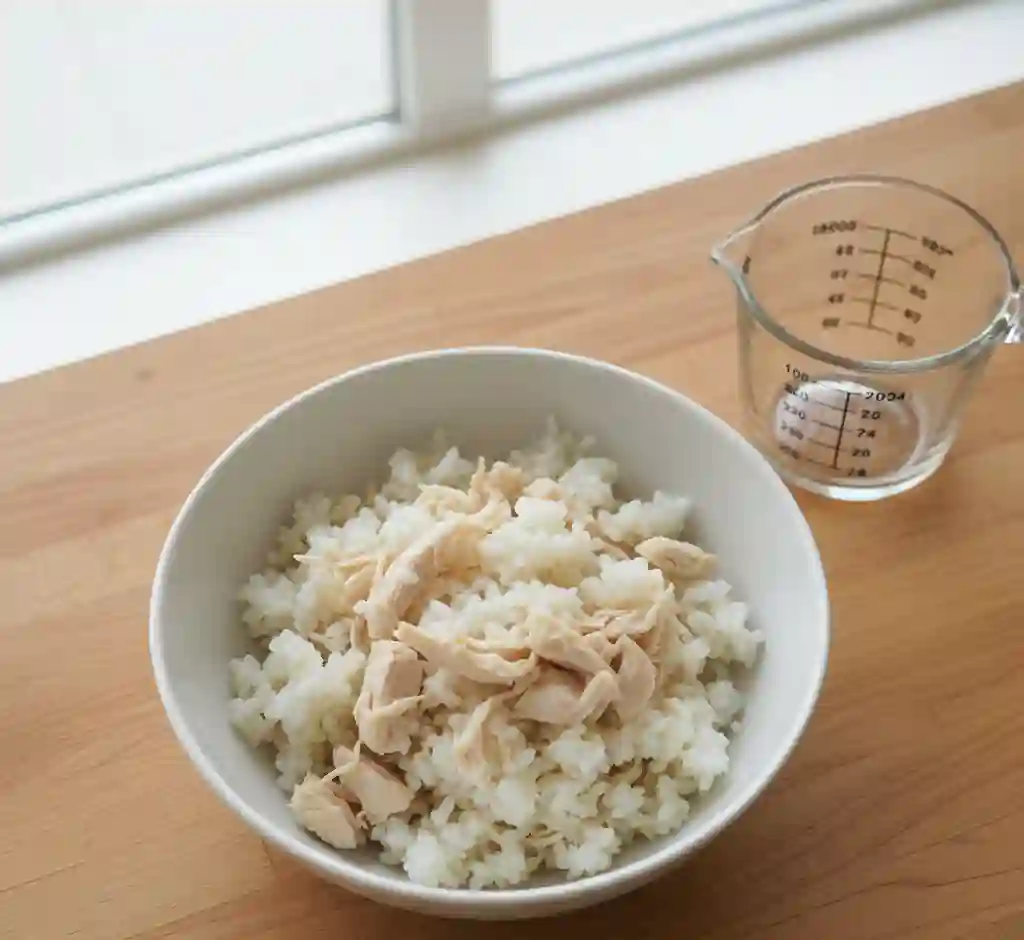
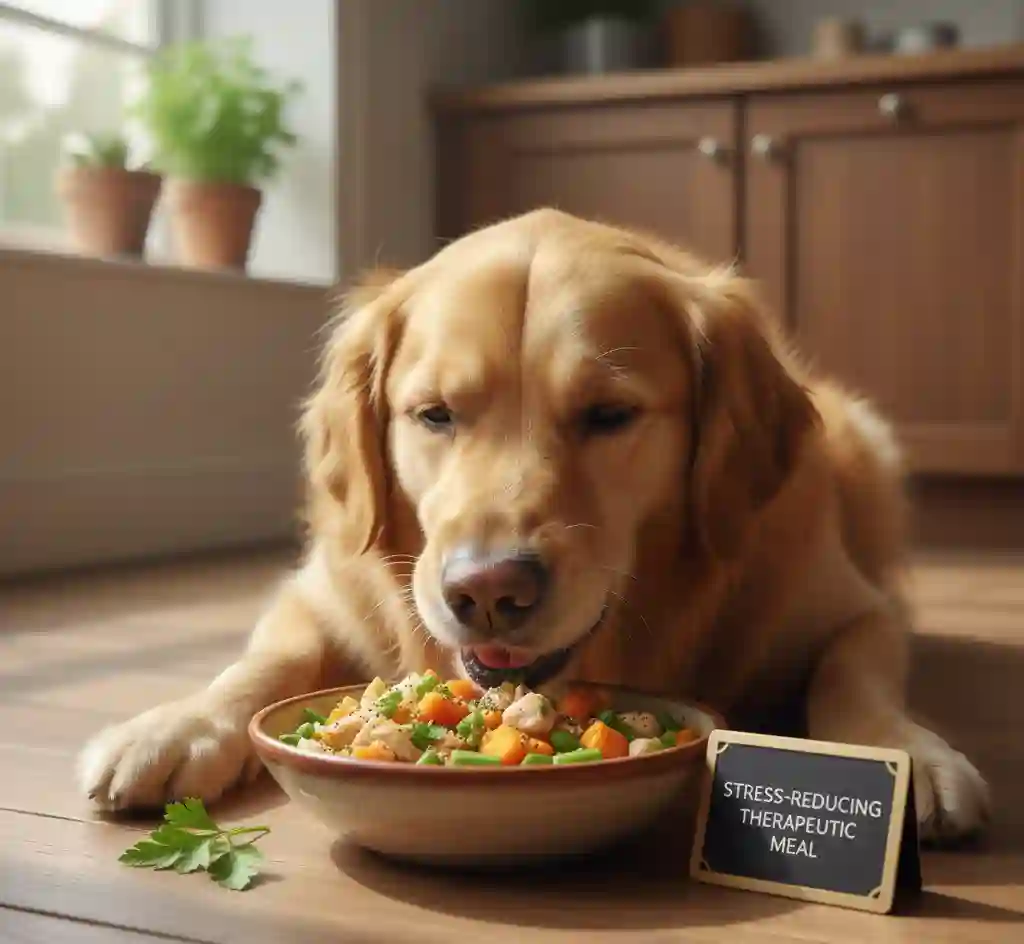
This recipe is designed to be highly palatable and utilize the synergistic effect of Tryptophan and Omega-3s. Note: All ingredients must be cooked, and serving size must be calculated based on the pet’s RER (Resting Energy Requirement).
-
Base: Cooked lean turkey breast (Tryptophan source).
-
Fiber/Prebiotic: Pureed, cooked sweet potato or pumpkin (supports gut health and nutrient absorption).
-
Fat Source: A drizzle of fish oil or algae oil (Omega-3s).
-
Calming Boost: A light addition of powdered, vet-approved calming supplements that contain L-Theanine or specialized B-vitamins.
IV. The Power of Consistency and Timing (Experience)
Therapeutic nutrition is about more than just ingredients; it’s about consistent delivery.
-
Routine: Administering the calming meal at a consistent time each day, particularly 60-90 minutes before a known stressful event (like bedtime or when you leave for work), allows the nutrients time to enter the bloodstream and impact neurochemical processes.
-
Palatability: Pets, especially stressed cats, can be finicky.6 Introduce new therapeutic meals slowly, mixing them with their established food to ensure continuous calorie intake, which is essential for managing stress.
V. Final Word: Patience and Partnership (Personal Insight)
[Personal Anecdote/Insight] When dealing with pet anxiety, it’s easy to feel defeated if medication or behavior training isn’t instantly effective. The beauty of therapeutic nutrition is that it offers a foundational layer of support. It’s not a quick fix, but a subtle, powerful partnership. Seeing the subtle shift—a slightly less intense reaction to a loud noise, or a more settled night’s sleep—reminds you that you are supporting their resilience from the inside out. Be patient, be consistent, and never stop collaborating with your vet.
Scholarly Citations
To validate the neurological impact of the discussed nutrients:
[Academic Reference 1] Dietary supplementation with 7$\alpha$-casozepine and L-Tryptophan has shown promise in reducing canine anxiety and behavioral issues by influencing central nervous system activity.
Landsberg, G. M., Milgram, B., & Seksel, K. (2012). Therapeutic diets and supplements in the management of anxiety disorders in cats and dogs. The Veterinary Clinics of North America. Small Animal Practice, 42(4), 693-705. [Link to Study]
[Academic Reference 2] Omega-3 fatty acids, particularly EPA and DHA, exhibit neuroprotective effects that are beneficial for mood regulation and reducing systemic inflammation in mammals.
Bradbury, J. (2011). Docosahexaenoic acid (DHA): An ancient nutrient for the modern human diet.10 The Open International Journal of Nutrition and Metabolism, 3(2), 29-41. [Link to DHA Research]