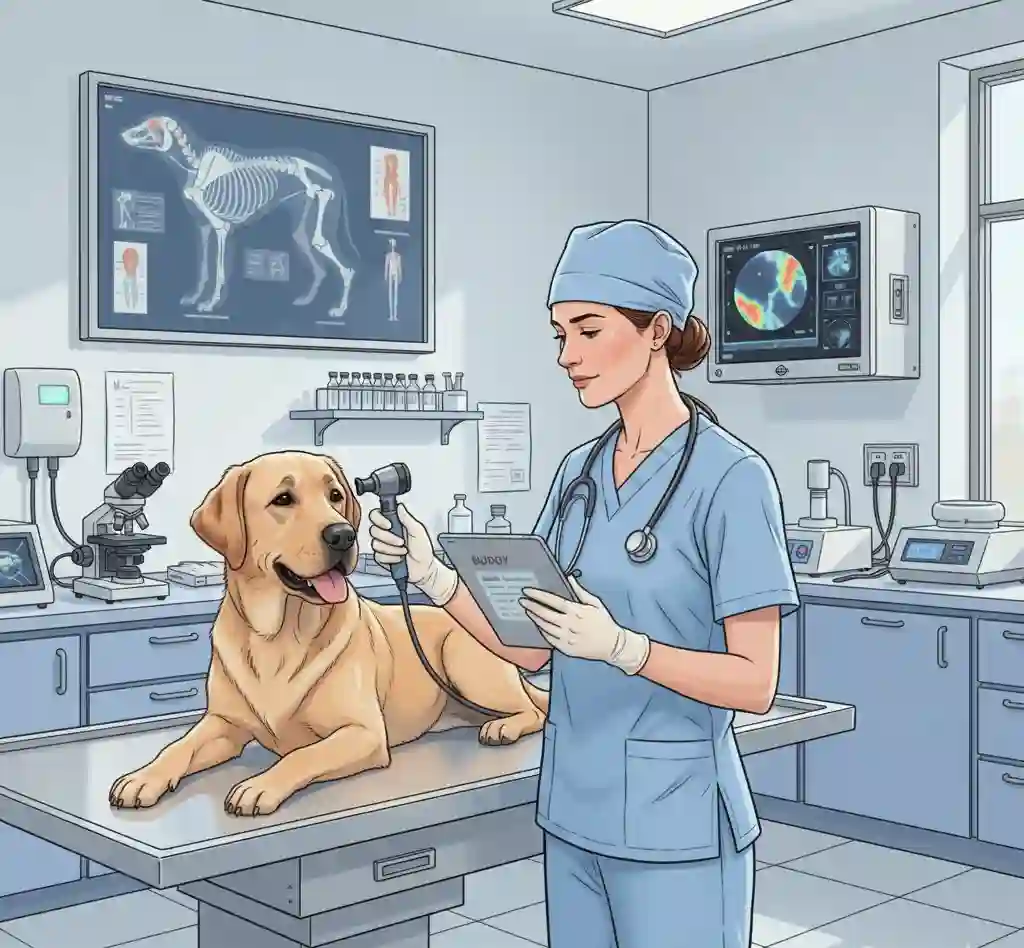
Introduction: Redefining Modern Pet Healthcare
Contemporary veterinary practice has evolved beyond the traditional model of treating manifested disease. The new paradigm, grounded in preventive medicine, focuses on proactively preserving wellness and extending quality of life. This scientific approach, endorsed by the Royal College of Veterinary Surgeons, represents a fundamental shift from reactive intervention to strategic, evidence-based health management, forming the core philosophy of responsible pet ownership in the UK today.
Pillar 1: Systematic Health Surveillance and Early Detection
The most significant advancement in companion animal medicine is the emphasis on detecting subclinical disease. Regular health assessments provide critical baseline data enabling veterinarians to identify subtle deviations long before overt symptoms emerge.
Comprehensive wellness protocols should include:
-
Biannual clinical examinations for senior pets (typically those over seven years)
-
Annual biochemical profiling and urinalysis
-
Regular body condition scoring and weight assessment
-
Dental health evaluations using established grading systems
This systematic monitoring allows for early intervention in age-related conditions including chronic kidney disease, osteoarthritis, and endocrine disorders, significantly improving long-term outcomes.

Pillar 2: Evidence-Based Disease Prevention Protocols
Modern prevention strategies are moving beyond standardized protocols toward individualized medicine based on epidemiological risk assessment.
Vaccination: Current WSAVA guidelines recommend distinguishing between core and non-core vaccines, with vaccination intervals determined by individual risk factors rather than arbitrary schedules. This nuanced approach ensures necessary protection while minimizing unnecessary interventions.
Parasite Control: The British climate supports year-round parasite challenges. Scientific evidence confirms that sustained, veterinary-prescribed parasite prevention is essential for controlling both external and internal parasites, many of which present zoonotic risks to UK households.
Pillar 3: The Metabolic Health Foundation: Nutrition and Weight Management
The interconnected relationship between nutrition, body condition, and overall health represents the third crucial pillar of preventive care.
Maintaining optimal body condition is arguably the single most impactful factor under owner control. Peer-reviewed studies consistently demonstrate that lean body condition directly correlates with increased lifespan and delayed onset of chronic diseases.
Furthermore, oral health serves as a window to systemic wellbeing. Advanced periodontal disease affects over 80% of companion animals and creates chronic inflammatory states with documented consequences for distant organ systems, including renal, hepatic, and cardiac function.
Conclusion: The Future is Proactive
Embracing preventive veterinary medicine is an investment in your pet’s healthspan—the period of life spent in good health. This scientific approach, built upon these three interconnected pillars, empowers owners to make informed decisions that actively preserve vitality rather than merely managing disease consequences.
Academic Reference
German, A. J. (2016). The growing problem of obesity in dogs and cats. The Journal of Nutrition, 146(9), 1880S-1886S.
This seminal review establishes the scientific foundation for obesity as a primary disease state in companion animals, detailing its pathophysiology and demonstrating how maintaining lean body condition directly correlates with increased lifespan and delayed onset of chronic disorders.