Nutritional Disclaimer: This recipe is a Medication Aid, not a meal. It is intended for intermittent use to assist with administering prescribed medication. While ingredients are safe, always check with your veterinarian if your dog has specific dietary restrictions (e.g., pancreatitis or novel protein trials).
Nutritional Analysis: The Science of Palatability
Medication compliance is one of the biggest challenges in veterinary medicine. To successfully mask a bitter pill, the carrier must have high palatability (taste/smell) and a malleable texture to seal the medication completely.
-
Oat Flour (or Coconut Flour): We use this as a binder instead of wheat. Oats provide Beta-glucan, a soluble fiber that supports gut health and prevents the loose stools often associated with antibiotic use.
-
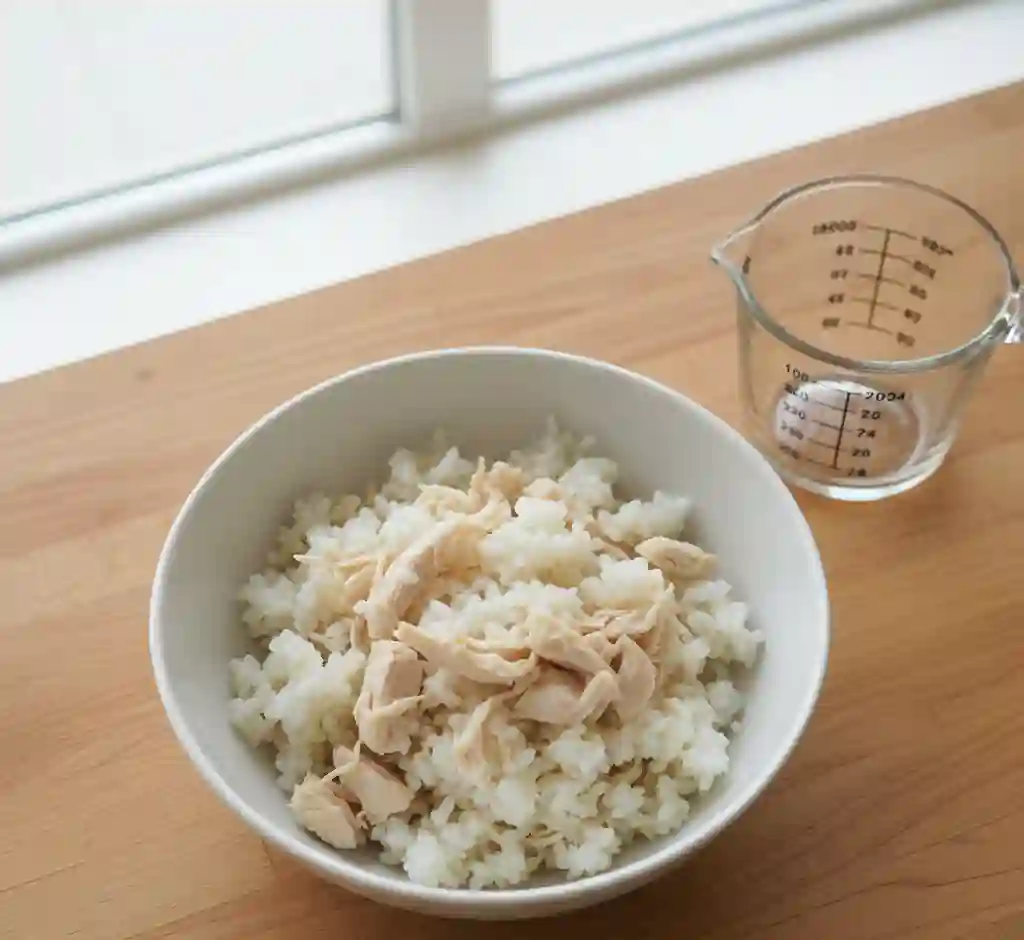
Bone Broth (Unsalted): This provides the aroma profile. Dogs rely on scent to determine taste. The amino acids in collagen-rich broth trigger the appetite center, overriding the chemical smell of the pill.
-
Peanut Butter (Xylitol-Free): Provides the “stickiness” required to mold the pocket. It contains healthy monounsaturated fats. Note: For pancreatitis patients, substitute this with mashed pumpkin.
The Recipe: 3-Ingredient Hypoallergenic Pill Pockets
Yields: Approx. 30 small pockets
Prep Time: 15 Minutes
Total Time: 15 Minutes (No Baking Required)
Ingredients:
-
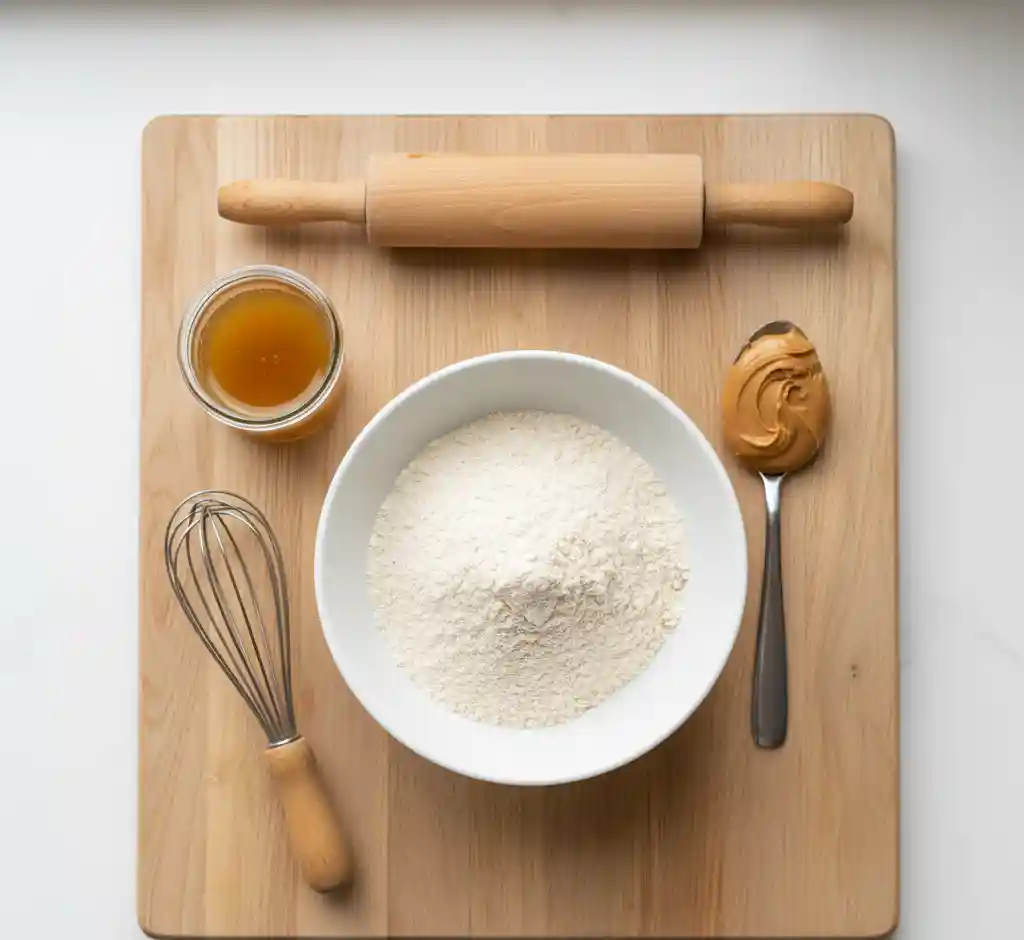
1 Cup Oat Flour: (You can blitz rolled oats in a blender to make flour).
-
2 tbsp Peanut Butter: MUST be Xylitol-Free and unsalted.
-
2 tbsp Bone Broth or Water: Add slowly to reach desired consistency.
-
Optional: A pinch of dried liver powder for extreme picky eaters.
Instructions:
-
Combine Dry and Fat: In a mixing bowl, combine the oat flour and peanut butter. Use a fork to crumble them together until it looks like wet sand.
-
Hydrate: Slowly add the bone broth one teaspoon at a time.
-
Knead: Use your hands to knead the dough. You are looking for a texture similar to Play-Doh—pliable, non-sticky, and able to hold a shape without cracking.
-
Too dry? Add drops of broth.
-
Too sticky? Add a sprinkle of flour.
-
-
Shape: Roll into small marble-sized balls.
-
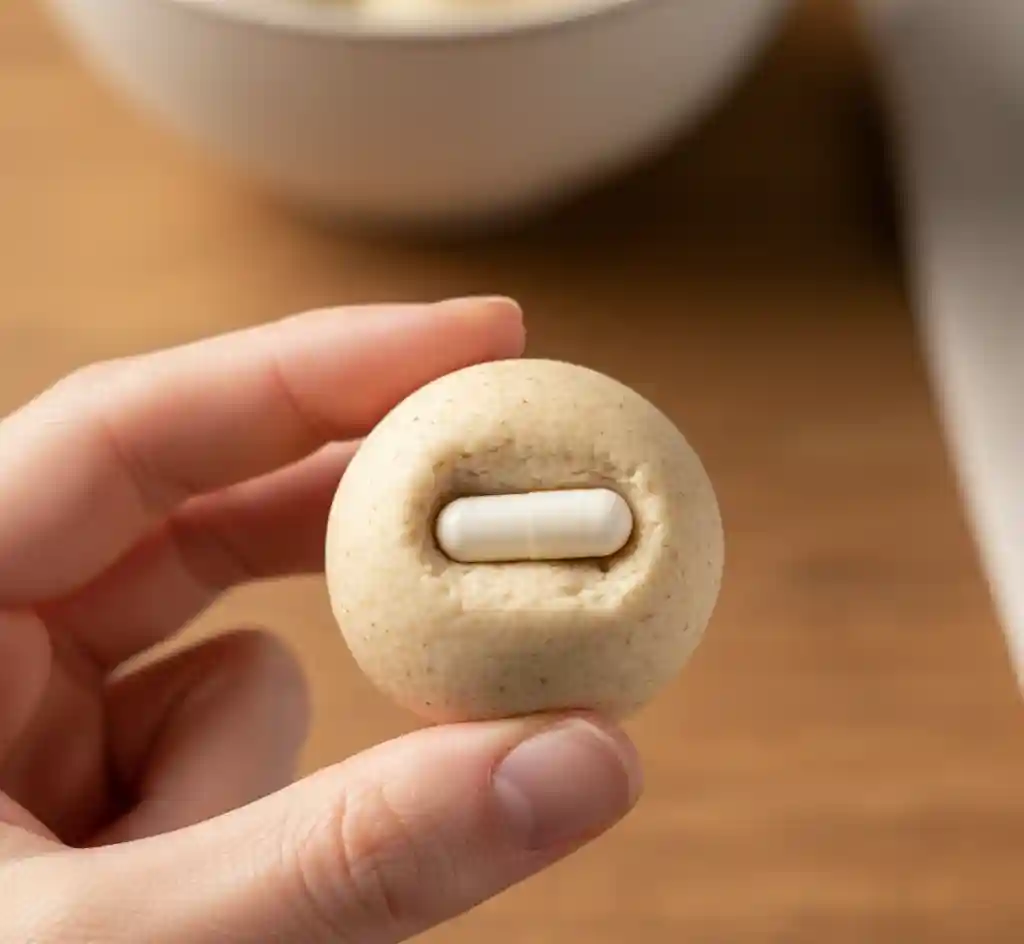
Create the Pocket: Use the end of a chopstick or your pinky finger to create a deep indentation in the center of each ball.
-
Store: Do not seal the holes yet. Store them as open “cups” in the fridge. Seal them only when you put the pill inside.
Ingredient Safety Audit: Hidden Dangers
When making medication treats, cross-contamination or wrong ingredient choices can be dangerous, especially since sick dogs are already compromised.
| Ingredient | Status | Why? / The Risk |
| Xylitol (Birch Sugar) | ☠️ DEADLY | Often found in “Low Sugar” Peanut Butter. Causes fatal hypoglycemia and liver necrosis. Read labels obsessively. |
| Onion/Garlic Powder | ☠️ TOXIC | Often found in store-bought chicken broth/bouillon. Causes hemolytic anemia. Use only pet-safe or homemade plain broth. |
| Wheat Flour | ⚠️ CAUTION | Not toxic, but a common allergen. We recommend Oat or Coconut flour for a hypoallergenic profile. |
| Sodium (Salt) | ❌ AVOID | Excess salt is dangerous for dogs with heart or kidney conditions. Ensure broth is “No Sodium Added.” |
Frequently Asked Questions
Q: How long do these keep in the fridge?
A: Since there are no preservatives, store them in an airtight container in the refrigerator for up to 7 days. You can also freeze them for up to 3 months—they thaw in about 5 minutes on the counter.
Q: My dog eats the treat and spits out the pill. What do I do?
A: Use the “Three-Treat Method.”
-
Give a dummy treat (empty pill pocket).
-
Give the medicated treat.
-
Immediately give another dummy treat.
The anticipation of the third treat forces the dog to swallow the second one quickly without investigating it.
Q: Can I use this recipe for cats?
A: Technically yes, but cats are obligate carnivores and may not like the oats. For cats, swap the Oat Flour for specific Coconut Flour and swap Peanut Butter for a pureed meat baby food (ensure no onion/garlic in ingredients).
Manager’s Insight: The Balance Trap
I need to warn you about the “Cheese Tax.”
Many owners resort to wrapping pills in blocks of cheddar cheese or lunch meat. While effective, this is a sodium and fat bomb.
If your dog is on antibiotics for a stomach issue, the last thing their pancreas needs is a chunk of fatty cheese. It can trigger Pancreatitis, landing you back in the ER.
These homemade pockets are designed to be “high value” (tasty) but “low impact” (nutritionally boring). They do the job without upsetting the tummy. Stick to the recipe.
Scientific References
-
Sanderson, S. L. (2018). Nutritional Management of Gastrointestinal Diseases. (Reference for low-fat carriers for medication).
-
Piscitelli, C. M., et al. (2010). Factors affecting medication compliance in dogs. Journal of Veterinary Behavior.
-
Dunlap, K. L. (2006). Digestibility of oat flour in canines. (Validating the safety of the binder).