Medical Disclaimer: This content is for informational purposes only and is not a substitute for professional veterinary advice. Anesthesia protocols and surgical risks vary by patient. Always consult your veterinarian for a specific treatment plan.
The Science: The “Iceberg” Under the Gums
Many owners think dog dental cleaning is just about making the breath smell better. However, veterinary dentistry is about fighting a systemic infection called Periodontal Disease.
The Pathophysiology:
-
Plaque: Bacteria form a sticky film on the teeth (within hours of eating).
-
Calculus (Tartar): If not brushed away, plaque mineralizes into hard cement within 48 hours.
-
Subgingival Pocketing: This is the dangerous part. Bacteria move under the gumline, detaching the gum from the tooth. This creates pockets where infection destroys the jawbone.
-
Systemic Risk: Bacteria from the mouth can enter the bloodstream (bacteremia), potentially damaging the heart valves, liver, and kidneys.
Note: This is why “Anesthesia-Free” cleaning is often considered cosmetic only. It scrapes the visible tartar but cannot clean under the gumline where the actual disease lives.
Symptom Checker: “Doggy Breath” vs. Dental Emergency
Dental disease is often called the “Silent Killer” because dogs rarely show pain until it is severe.
| Severity Stage | Clinical Signs | Recommended Action |
| Stage 1 (Gingivitis) | Mild bad breath; thin red line along the gums; some yellow plaque. | Home Care. Daily brushing can reverse this stage. Schedule a routine cleaning. |
| Stage 2 (Early Periodontitis) | Strong odor; swollen gums; up to 25% bone loss (visible on X-ray). | Vet Cleaning Required. Professional scaling and polishing needed to save teeth. |
| Stage 3-4 (Advanced) | Pus around teeth; loose or missing teeth; dog drops food while eating; facial swelling (tooth root abscess); bleeding toys. | Surgical Intervention. Anesthesia, X-rays, and likely extractions are necessary. |
Home Care vs. Vet Care
When to Focus on Home Care:
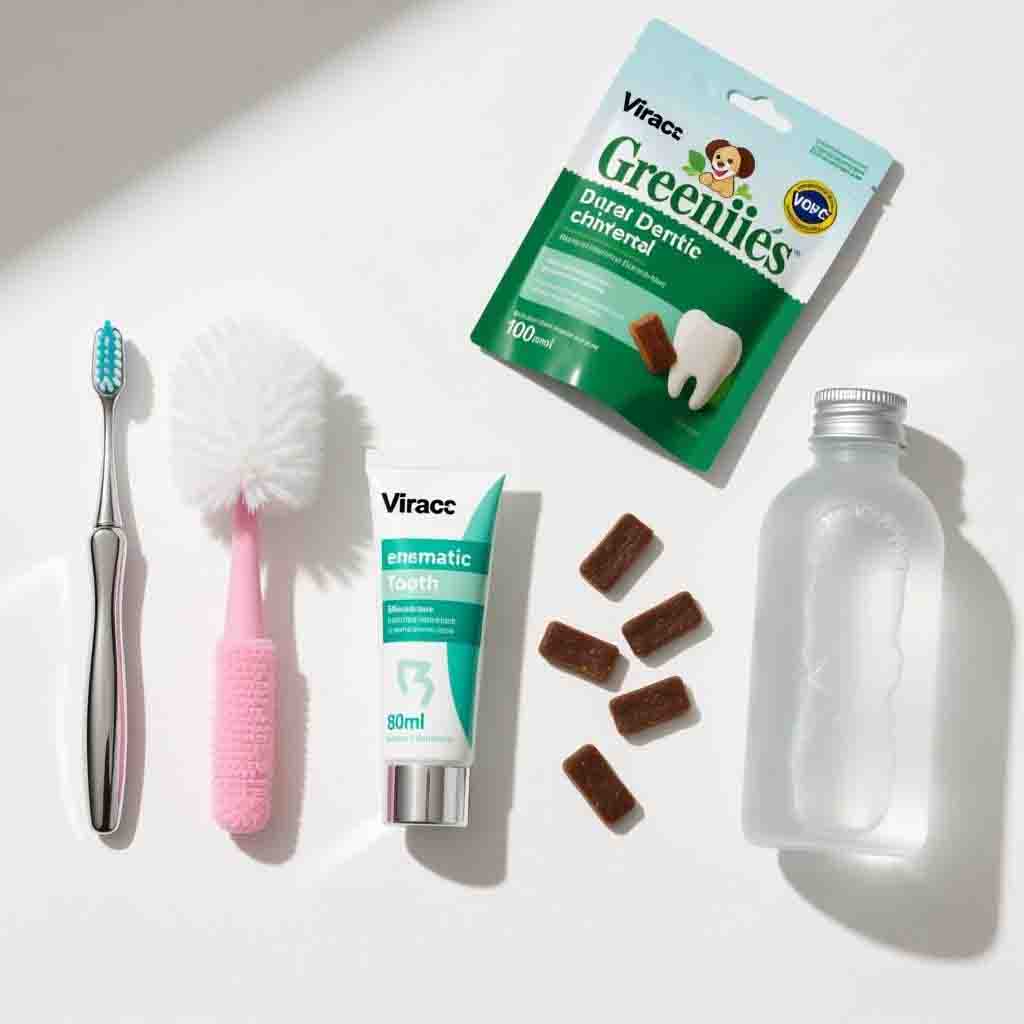
Prevention is key. Daily brushing with enzymatic dog toothpaste (never human fluoride paste) is the gold standard. Water additives and dental chews can help reduce plaque but cannot remove hardened tartar.
When to Book a Procedure:
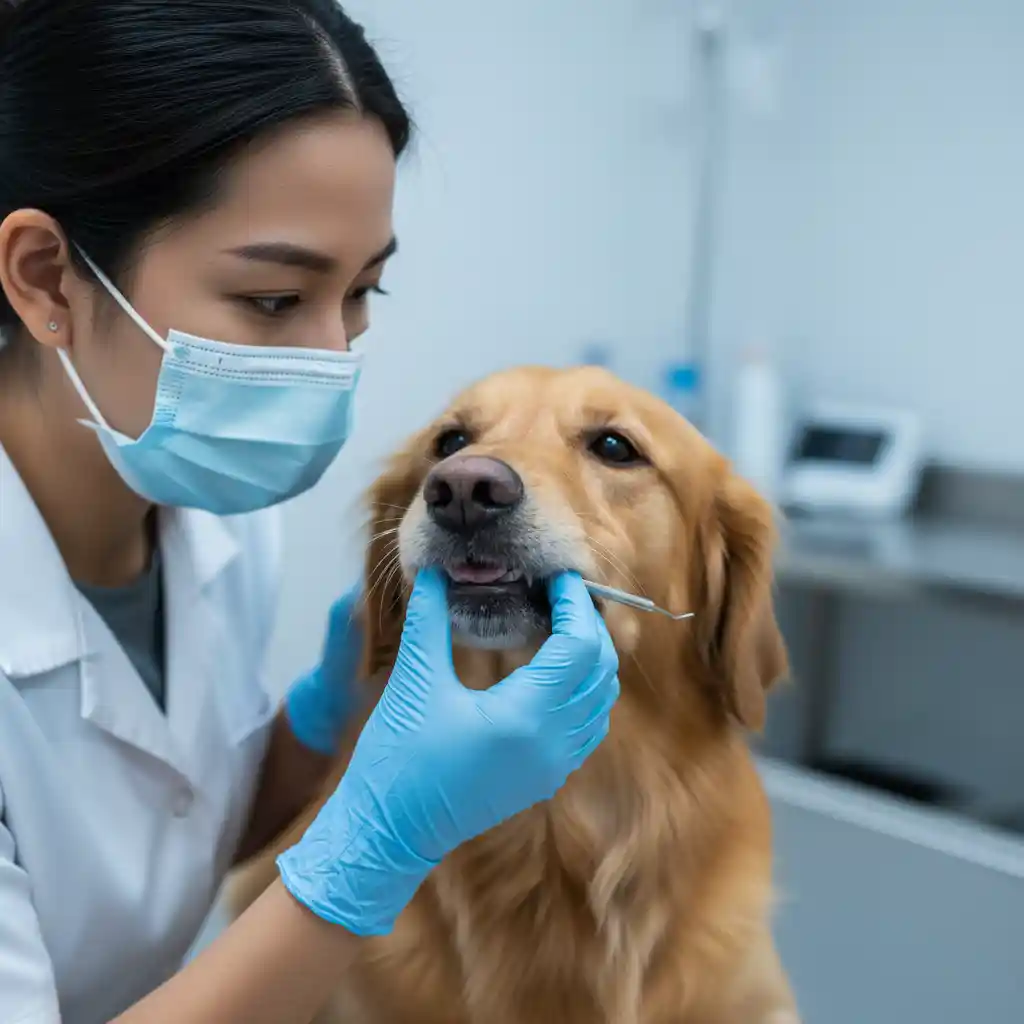
Once tartar has formed, no amount of brushing will remove it. It is like trying to remove concrete with a toothbrush. You must see a vet for an ultrasonic scaling.
-
The Anesthesia Fear: While anesthesia always carries risk, modern veterinary protocols (including pre-surgical bloodwork and IV fluids) make it very safe. The risk of untreated dental infection causing heart disease is often statistically higher than the risk of anesthesia.
The Financial Reality: Cleaning Costs & Insurance Logic
(Note: This section targets high-value queries regarding veterinary costs and financing.)
1. The Cost of Professional Cleaning (National Average)
Why is the quote so wide? Because you don’t know what’s under the gumline until the dog is asleep and X-rayed.
-
Basic Cleaning (Prophylaxis): $400 – $800. Includes anesthesia, monitoring, scaling, and polishing.
-
Advanced Periodontal Therapy: $800 – $1,500. Includes dental X-rays (essential) and deep cleaning.
-
Extractions (Tooth Removal): $1,500 – $2,500+. Surgical extraction of large teeth (like carnassials) is complex oral surgery requiring flaps and sutures.
2. Pet Insurance Coverage Rules
Dental coverage is the most confusing part of any policy.
-
Routine Cleaning: Most standard “Accident & Illness” plans DO NOT cover routine cleanings (just like car insurance doesn’t cover oil changes). You usually need a separate “Wellness Rider” for this.
-
Dental Disease (Illness): Many comprehensive plans WILL cover extractions and gum surgery if the disease was not present when you signed up.
-
The “Dental Exam” Clause: Some insurers require you to have had a dental checkup in the last 12 months for coverage to apply. Check your fine print!

Frequently Asked Questions
Q: Is anesthesia-free cleaning a safe alternative?
A: The American Veterinary Dental College (AVDC) advises against it. It provides a false sense of security. It is purely cosmetic (whitens visible teeth) but leaves the infection under the gums. Furthermore, restraining a fully awake dog to scrape their teeth with sharp metal tools can be highly stressful and painful.
Q: How often should my dog get their teeth cleaned?
A: Most vets recommend a professional cleaning once a year starting at age 2 or 3. Small breeds (Chihuahuas, Yorkies) often need it every 6-9 months due to overcrowding of teeth.
Q: Can I use real bones to clean my dog’s teeth?
A: While chewing helps scrape plaque, hard bones (like antlers or marrow bones) are the #1 cause of slab fractures (broken teeth) seen by veterinary dentists. Flexible dental chews are safer.
Manager’s Insight: The “Heart” Connection
I often hear owners say, “I’ll wait to clean his teeth until he stops eating.”
Please don’t wait that long. By the time a dog stops eating, the pain is excruciating. Dogs are stoic; they will eat through a broken jaw if they are hungry enough.
But here is the financial reality check: A $800 cleaning at age 4 is expensive. But treating Endocarditis (heart valve infection caused by oral bacteria) or managing kidney failure at age 10 costs thousands. Think of dental cleaning not as “grooming,” but as “preventive heart medicine.”